High-energy dogs aren't just "hyper"—they're often highly intelligent working breeds that need a job to do. Without proper mental and physical stimulation, they can become destructive.
Mental Stimulation vs. Physical Exercise
While a long run is great, it often just builds an "athlete" dog that needs even more exercise tomorrow. Mental stimulation is what truly tires a dog out.
Physical Activities
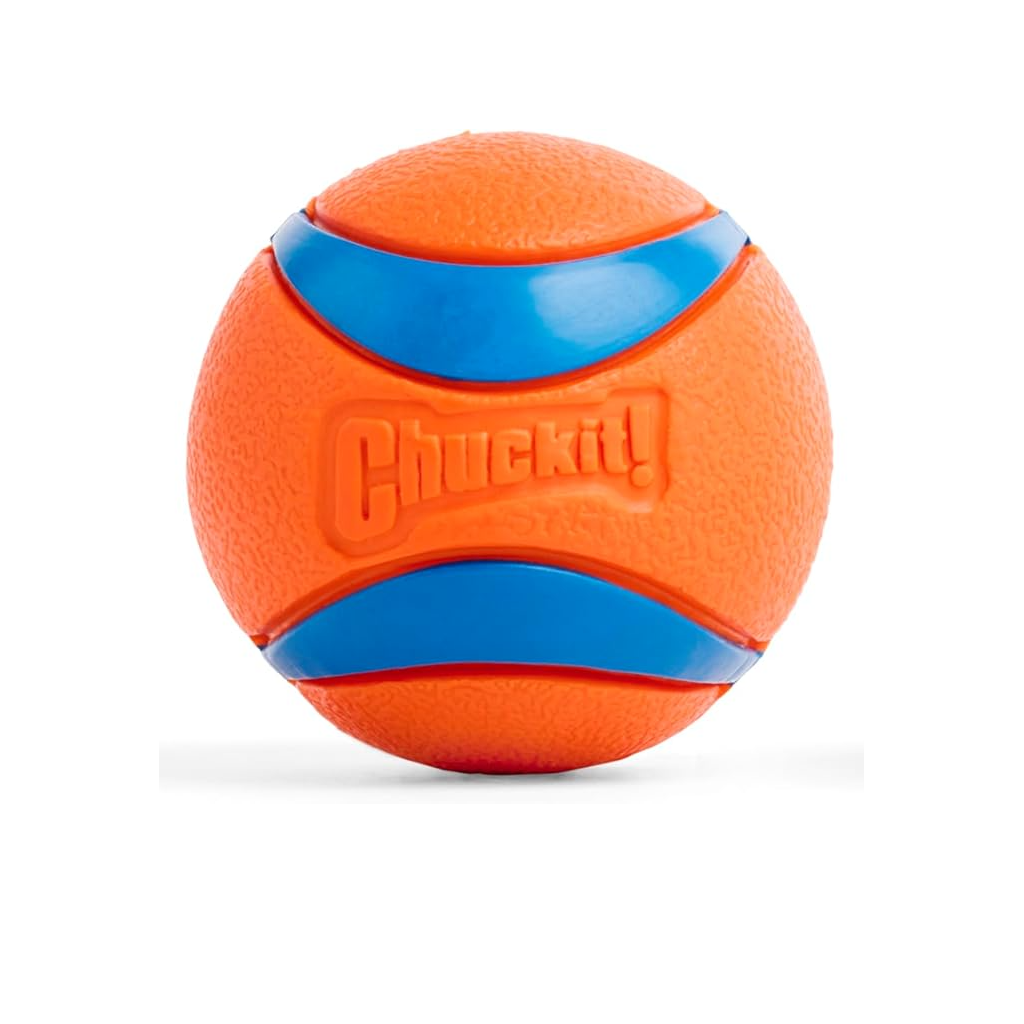
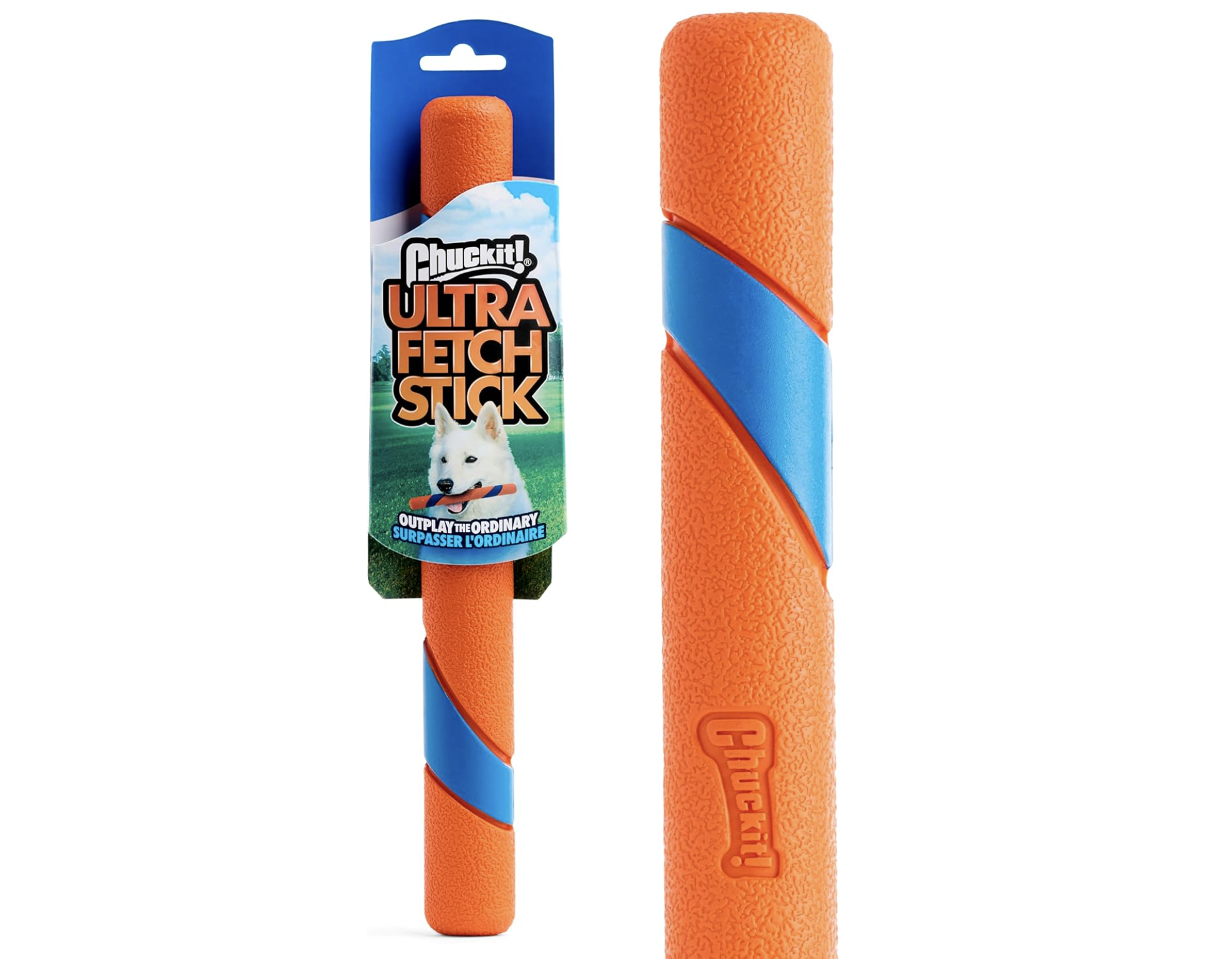
- Fetch / Frisbee
- Hiking
- Agility Courses
- Swimming
Mental Activities
- Scent Work (Sniffing)
- Puzzle Feeders
- Trick Training
- Hide and Seek
The Power of Consistency
High-energy dogs thrive on routine and clear expectations. If you allow them to jump on you today but scold them tomorrow, you're creating confusion. Use positive reinforcement—rewarding the behaviors you want to see with high-value treats or play.
Specific Exercises for High-Energy Dogs
Try these targeted activities to burn off that extra steam:
- Flirt Pole: Basically a giant cat toy for dogs. It provides intense physical exercise and works on impulse control.
- Nose Work: Hide treats around the house and let your dog "hunt" for them. 15 minutes of scent work is as tiring as an hour-long walk.
- Agility Training: Even a simple DIY course in the backyard can provide a great mental and physical workout.
Setting Boundaries: The "Place" Command
Teaching your dog to go to a specific "place" (like a mat or bed) and stay there until released is one of the most valuable skills for a high-energy dog. It teaches them how to settle their own mind and relax, even when there's excitement around them.
Impulse Control: High-energy dogs often struggle with impulse control. Practice exercises like 'Wait' at the door or 'Leave it' with treats to help them learn to think before they act.
Dealing with Overstimulation
Sometimes, high-energy dogs can become "over-tired" or overstimulated, leading to nipping, barking, or zoomies. In these cases, more exercise is the opposite of what they need. Instead, provide a quiet, dark space (like a crate) for them to take a forced nap and reset.