As temperatures rise, our canine companions face unique risks. Dogs don't sweat like humans do, making them much more susceptible to heatstroke. Understanding how to manage the heat is crucial for every dog owner during the sweltering summer months.
The 5-Second Rule for Pavement
Before heading out for a walk, place the back of your hand on the pavement for 5 seconds. If it's too hot for you, it's too hot for your dog's paws. Asphalt can reach temperatures that cause second-degree burns in seconds. If the ground is too hot, stick to the grass or wait until the sun goes down.
Strategic Walking Times
Timing is everything. Avoid the peak heat of the day (usually between 10 AM and 4 PM). Early morning walks are best as the ground has had all night to cool down. Late evening walks are also safer, but be mindful that pavement can retain heat long after the sun sets.
Hydration is Key
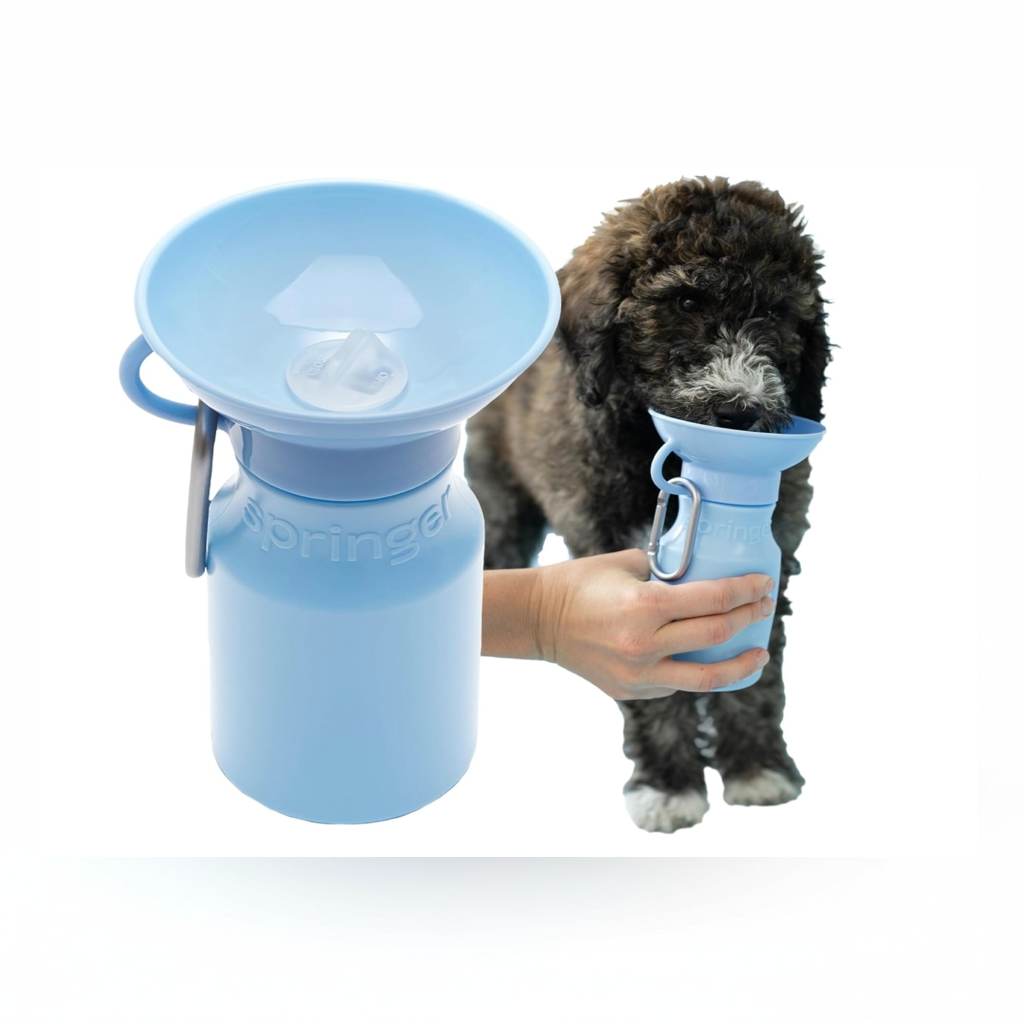
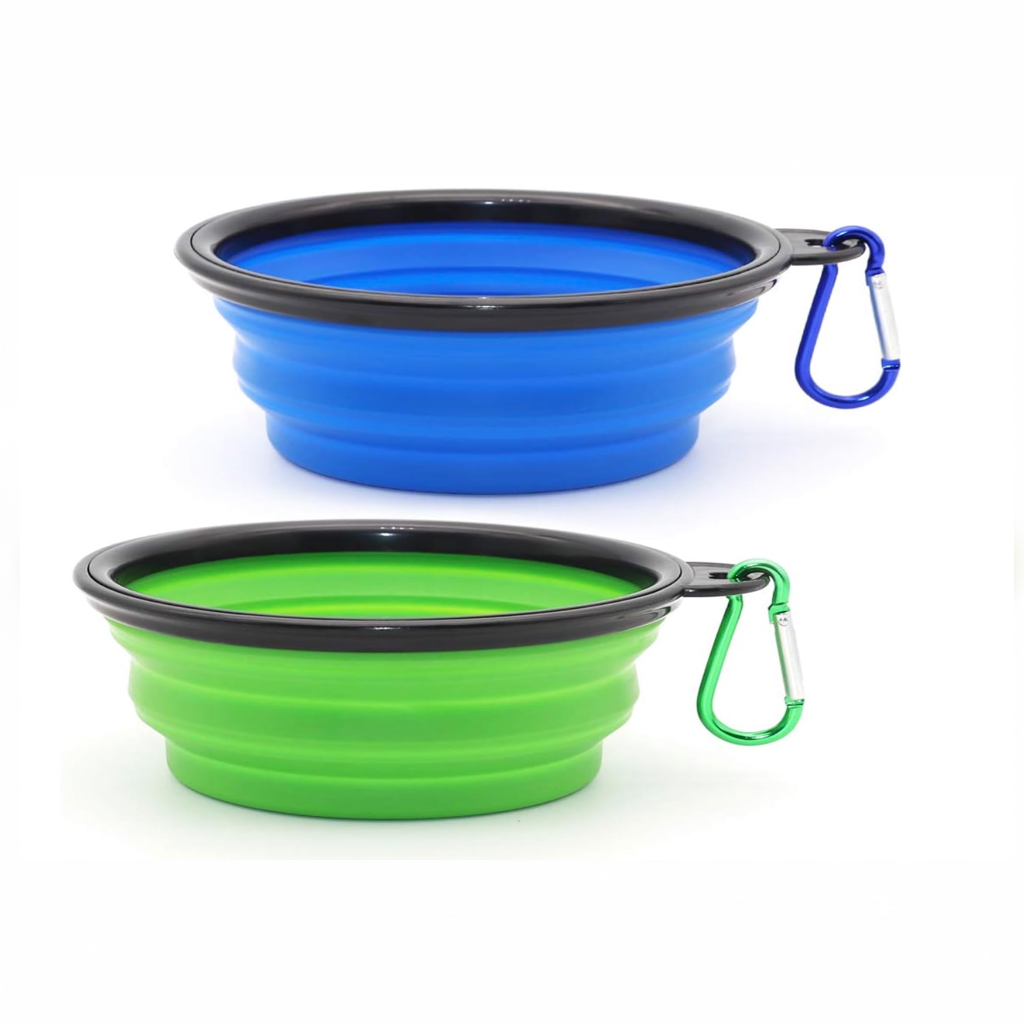
Always carry a portable water bowl and fresh water. Dogs need to drink significantly more in the summer to regulate their body temperature through panting. If you notice your dog seeking shade or slowing down, it's time for a water break.
Signs of Heatstroke
Early intervention is critical. Heatstroke can escalate rapidly into a life-threatening emergency. Watch for these warning signs:
- Excessive, heavy panting: Panting that doesn't stop even after resting in shade.
- Bright red or blueish gums: Gums should normally be a healthy pink.
- Lethargy or stumbling: Disorientation or sudden weakness is a major red flag.
- Vomiting or diarrhea: Gastrointestinal distress often accompanies severe overheating.
- Thick Saliva: If their drool becomes excessively thick or sticky.
Breeds at Higher Risk
While all dogs can overheat, certain breeds are at much higher risk. Brachycephalic (flat-faced) breeds like Bulldogs, Pugs, and French Bulldogs have shorter airways that make it much harder for them to cool down through panting. Additionally, senior dogs, puppies, and dogs with dark or thick coats require extra vigilance.
Cooling Gear That Actually Works
Investing in the right gear can make a world of difference. Consider these options:
- Cooling Mats: Pressure-activated gel mats provide a cold surface for your dog to lie on.
- Cooling Vests: These use evaporation to pull heat away from your dog's core. Just soak in water and wring out before use.
- Elevated Beds: These allow for airflow underneath your dog, preventing them from trapping heat against the floor.
Emergency Action: If you suspect heatstroke, move your dog to a cool area immediately. Use cool (not ice-cold) water to wet their fur and paws, and use a fan to speed up evaporation. Call your vet immediately—do not wait.